


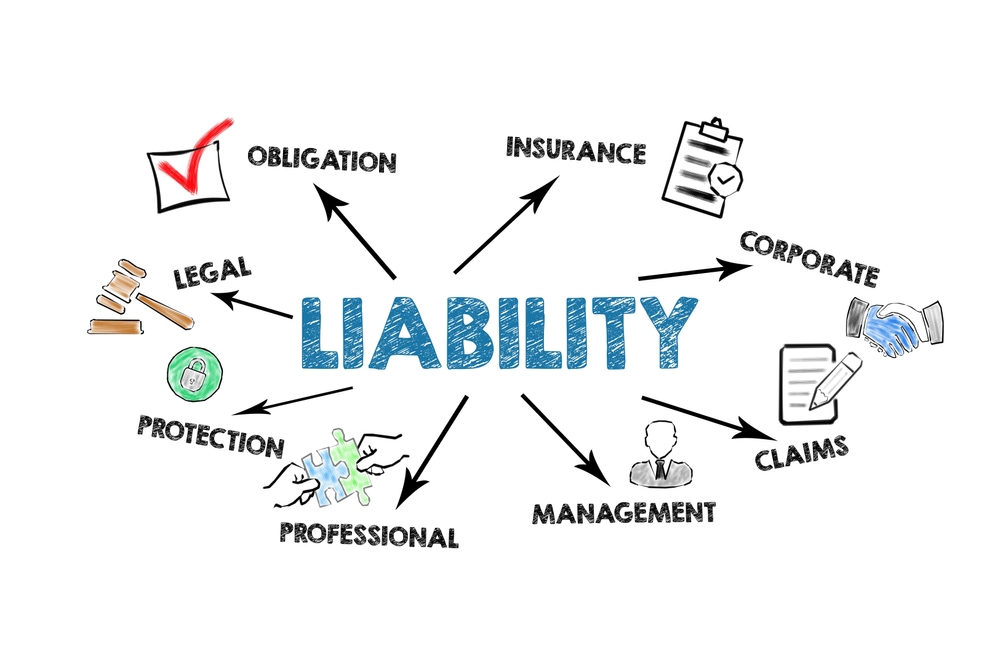
Indemnification provisions are often treated as standard nonprofit boilerplate. They go into the bylaws, sometimes into the articles, and then everyone moves on. But these provisions deserve more attention than they usually get. They affect how much protection a nonprofit gives to the people who lead it, how much discretion the organization keeps for itself, and how comfortable qualified directors and officers will feel serving in the first place.
For founders and boards, the real drafting questions are not complicated, but they are important. Should indemnification be mandatory or permissive? Should advancement of expenses be required? And should the answer be the same for directors, officers, employees, and agents?
Our standard language takes a middle-ground approach. We generally make indemnification mandatory for directors and officers, and permissive for employees and authorized agents. In many cases, that structure makes sense. It gives meaningful protection to the people most responsible for governance, while preserving flexibility for the broader group of people who may act on behalf of the organization.
To understand why, it helps to separate the issues.
What indemnification does
Indemnification is the organization’s commitment to protect a covered person against certain costs and liabilities arising from service to the nonprofit. Depending on the governing statute and the language used, that may include:
- attorneys’ fees
- judgments
- settlements
- fines
- other covered expenses
Of course, indemnification is not unlimited. State law usually imposes boundaries. A nonprofit generally cannot indemnify someone for conduct involving bad faith, improper personal benefit, or actions that clearly fall outside the required standard of conduct. So the real question is usually not whether the organization should protect misconduct. The real question is how firmly the organization wants to commit itself to protecting people who acted in good faith and in a manner they reasonably believed to be in the organization’s best interests.
Mandatory versus permissive indemnification
The difference between mandatory and permissive indemnification is simple, but significant.
If indemnification is mandatory, the nonprofit must provide it when the applicable standard has been met. If indemnification is permissive, the nonprofit may provide it, but it retains discretion to decide whether to do so.
That difference may not seem important when the bylaws are being drafted. It becomes very important when a claim is actually made.
A mandatory provision gives a director or officer more certainty. If the legal standard is satisfied, the organization is obligated to step in. A permissive provision gives the board more control. It can decide, based on the circumstances, whether indemnification is appropriate.
Each approach has advantages and disadvantages.
Why mandatory indemnification often makes sense for directors and officers
Directors and officers occupy a special place in nonprofit governance. They approve major decisions, oversee compliance, exercise fiduciary duties, and make judgment calls that can later be criticized by regulators, donors, employees, or other constituencies. Even when they ultimately prevail, the cost of defending those decisions can be substantial.
For that reason, many nonprofits choose to make indemnification mandatory for directors and officers.
The strongest arguments for mandatory indemnification are straightforward:
- It creates certainty. Directors and officers should not have to wonder whether the organization will stand behind them after a dispute arises.
- It helps with recruitment and retention. Many qualified board candidates expect meaningful protection before agreeing to serve.
- It supports independent judgment. Directors should not worry that a future board majority may refuse to protect them because it disagrees with a good-faith decision they made.
- It reduces the chance that indemnification becomes a political issue after the fact.
Still, mandatory indemnification is not cost free. It reduces flexibility. It may require the organization to fund significant costs at exactly the moment when it is already under pressure. It can also create optics issues, particularly if donors or other stakeholders are uncomfortable seeing the organization pay defense costs for insiders. Those are real concerns, especially for smaller nonprofits.
Even so, for directors and officers, most organizations conclude that certainty is worth the tradeoff.
Why permissive indemnification often makes sense for employees and authorized agents
Employees and authorized agents present a different set of considerations. The category is broader. The roles vary. The level of authority varies. The factual circumstances in which indemnification may be requested are often much less predictable.
That is why many nonprofits prefer a permissive approach for employees and authorized agents.
The main advantages of a permissive approach are these:
- It preserves flexibility. The organization can evaluate the facts and decide whether indemnification is appropriate in the particular case.
- It helps manage exposure. A mandatory obligation running to all employees and all agents can be much broader than the board intends.
- It allows more nuanced treatment. Different roles may justify different levels of protection.
- It avoids overcommitting the organization where the person’s authority or relationship to the nonprofit may be limited.
At the same time, a permissive structure has drawbacks. It creates uncertainty. An employee who acted in good faith may still have no assurance that the organization will help. It can also lead to inconsistency, especially if different boards reach different conclusions in similar situations. And in some cases, senior employees may expect stronger protection than a purely discretionary standard provides.
That does not mean permissive indemnification is the wrong choice. It simply means that boards should think carefully about whether certain employees, such as the chief executive or chief financial officer, should receive stronger contractual protections even if the bylaws remain generally permissive for employees as a class.
Why the standard split often works
The common split between directors and officers on one hand, and employees and agents on the other, reflects a practical judgment about role and risk.
Directors and officers are central to governance. They owe fiduciary duties, make high-level decisions, and are often exposed precisely because of those responsibilities. It makes sense to give them a reliable right to indemnification, subject to the limits imposed by law.
Employees and authorized agents are a broader and more varied group. Their situations are more likely to call for case-by-case judgment. It often makes sense to preserve discretion there.
For that reason, mandatory indemnification for directors and officers, and permissive indemnification for employees and authorized agents, is often a sensible default.
Advancement of expenses is a separate question
Boards should also remember that indemnification and advancement are not the same thing.
Indemnification concerns the ultimate right to have losses or expenses paid. Advancement concerns timing. It addresses whether the organization will pay legal fees and related costs as they are incurred, before there has been a final determination that the person is entitled to indemnification.
In practice, advancement may matter even more than indemnification. A promise to reimburse legal fees years later may not be very helpful if the individual has to finance the defense personally in the meantime.
The case for mandatory advancement
There is a strong argument for requiring advancement, at least for directors and officers.
The main reasons are:
- It makes the protection real. A right to reimbursement at the end of a case may not be very meaningful if the individual cannot afford the defense in the meantime.
- It supports stronger governance. People are more willing to make difficult decisions if they know the organization will fund the defense while the matter is pending.
- It helps with recruitment. Experienced directors and officers often expect advancement as part of a standard governance package.
- It may allow better coordination with insurers and defense counsel from the outset.
The case against mandatory advancement
At the same time, mandatory advancement creates burdens for the organization.
The most common concerns are:
- Cash flow. Defense costs can arise quickly and mount rapidly.
- Repayment risk. Even if the recipient signs an undertaking to repay, recovery may be difficult in practice.
- Optics. Stakeholders may react negatively if the organization is advancing expenses to someone accused of wrongdoing before the facts are resolved.
- Reduced discretion. Once the standard for advancement is met, the board may have little room to maneuver.
Should advancement be mandatory or permissive?
There is no universal answer, but the same role-based analysis often applies here as well.
For directors and officers, mandatory advancement often makes sense, especially when the organization wants to provide meaningful and market-typical protection. It is often the natural companion to mandatory indemnification.
For employees and authorized agents, a permissive approach is often more manageable. It preserves flexibility and allows the board to consider the circumstances, the individual’s role, the likely costs, and the organization’s financial position.
Some nonprofits decide to require advancement for directors and officers and make it discretionary for everyone else. That is often a workable compromise.
Questions boards should ask
When deciding how strong an indemnification and advancement regime should be, founders and boards should focus on a few practical questions:
- Who are the people the organization most needs to protect in order to function effectively?
- How important is certainty in attracting and retaining qualified directors and officers?
- How much discretion does the board want to preserve for future cases?
- What level of financial exposure can the organization realistically absorb?
- How does the proposed language fit with the organization’s insurance coverage?
- Are there particular employee roles that should receive stronger contractual protection even if the general rule remains permissive?
Those questions usually lead boards toward one of three general outcomes:
- mandatory indemnification and mandatory advancement for directors and officers, with discretion for employees and agents
- mandatory indemnification for directors and officers, but permissive advancement
- a more flexible structure across the board, sometimes supplemented by separate agreements for key individuals
A sensible default for many nonprofits
For many nonprofits, the most sensible default is the one we typically use. Mandatory indemnification for directors and officers gives core governance leaders the certainty they need. Permissive indemnification for employees and authorized agents preserves flexibility where roles and risks are more varied.
On advancement, the best answer depends more heavily on the organization’s financial capacity and appetite for risk. Mandatory advancement offers real protection, but it also imposes real burdens. Boards should not assume that if they are comfortable with mandatory indemnification, they must automatically adopt mandatory advancement as well. The two questions are related, but they are not identical.
The key is to be deliberate. These provisions should reflect actual governance choices, not borrowed language that no one has thought through.
Conclusion
Indemnification provisions are not just technical housekeeping. They are part of the nonprofit’s broader governance design. They communicate how much protection the organization is willing to offer its leaders, and how much discretion it wants to preserve for itself.
In many cases, mandatory indemnification for directors and officers and permissive indemnification for employees and authorized agents is the right balance. It protects the people most responsible for guiding the organization, while avoiding an overly broad mandatory commitment to every person who may act on the organization’s behalf.
Advancement of expenses requires its own analysis. Requiring it can make protection meaningful in practice, but it also creates immediate financial and practical consequences. Boards should weigh those consequences carefully.
A nonprofit that addresses these questions thoughtfully will usually end up with stronger governance documents and a better understanding of the risk allocation choices it is making.
Ellis Carter is a nonprofit lawyer with Caritas Law Group, P.C. licensed to practice in Washington and Arizona. Ellis advises nonprofit and socially responsible businesses on federal tax and fundraising regulations nationwide. Ellis also advises donors concerning major gifts. To schedule a consultation with Ellis, call 602-456-0071 or email us through our contact form.
👇Follow more 👇
👉 bdphone.com
👉 ultractivation.com
👉 trainingreferral.com
👉 shaplafood.com
👉 bangladeshi.help
👉 www.forexdhaka.com
👉 uncommunication.com
👉 ultra-sim.com
👉 forexdhaka.com
👉 ultrafxfund.com
👉 bdphoneonline.com
👉 dailyadvice.us