


Water is a new threat in Middle East wars
As tensions rise in the Middle East over Iran, a new threat has emerged in the Gulf countries—the risk of an attack on food and water sources. There are growing concerns about the safety of desalination plants that desalinate seawater. According to analysts, an attack on these installations could create an existential crisis for the entire region.
international
International Desk 2026-03-12
In the sleepless night, Sofia's mind often worries – one day she might open the tap and see that there is no more water in it.
“At the end of the day, we are desert dwellers. Even though oil and gas are at the center of the economy, water is our main survival resource,” said the UAE resident.
As the Middle East destabilizes over the Iran war, Sofia's fears grow.
The woman, whose real name has not been disclosed for security reasons, said, “If I imagined myself in the place of the enemy, I would have made this food and water the target. I never imagined that I could suffer due to lack of water.
Many in the Middle East, like Sofia, fear that their most vital logistics could be targeted in the war, according to a CNN analysis.
Countries in the Gulf region, including the United Arab Emirates, rely on 'desalination' or 'desalination' methods. This process desalinates sea water.
Keeping in mind the acute shortage of drinking water, various infrastructures like green golf courses, huge water parks and ski slopes have been built in this region. And these infrastructures are now the cause of their fear.
On Sunday, Bahraini officials claimed that one of their desalination plants was damaged by an Iranian drone attack. However, it did not disrupt the water supply.
Earlier, Iran's Foreign Minister Abbas Aragchi alleged that the US had attacked a desalination plant on Iran's Kesham Island, which damaged 30 villages.
Iran's foreign minister called the attack a 'dangerous step'. However, the US forces denied the allegations.
The backlash puts hundreds of desalination plants in the Gulf region at risk. About 10 crore people of the region are supplied with drinking water from these plants.
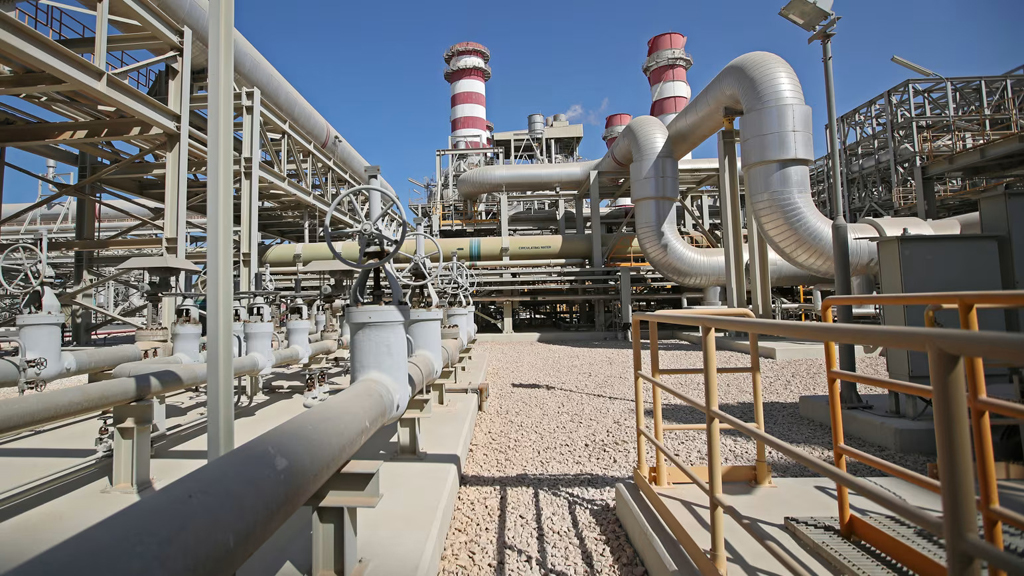
Iran still gets most of its drinking water from rivers and underground sources. But the Gulf countries have very limited natural freshwater sources. A few countries like Kuwait, Oman and Bahrain run on 'desalination' water.
Michael Christopher Lowe, director of the University of Utah's Middle East Center, told CNN that an attack on such infrastructure would be an “unimaginable level” of escalation.
“Deliberate attacks on desalination plants are not only belligerent, but also a worrisome escalation of war, as the Gulf states only have a few weeks of water reserves,” said Laurent Lamber, associate professor of public policy at Qatar's Doha Institute for Graduate Studies.
'Salt Water Kingdom'
Oil and gas sales have made the Gulf countries glittering and wealthy within a few decades. The huge amount of money poured into desalination also comes from the sale of oil and gas.
This method removes salt, minerals and other waste from sea water. This is done by heating the water, or by blowing it through at high pressure. This method is expensive and burns a lot of fuel.
Low said Gulf countries are now 'global superpowers' in converting salt water into potable water.
The dependence of the Gulf countries on this system is constantly increasing. About 90 percent of Kuwait and Oman's drinking water, 85 percent in Bahrain, and about 70 percent in Saudi Arabia come from the 'desalination' process.
Major cities such as Abu Dhabi, Dubai, Doha, Kuwait City and Jeddah are now almost entirely dependent on this system of water.
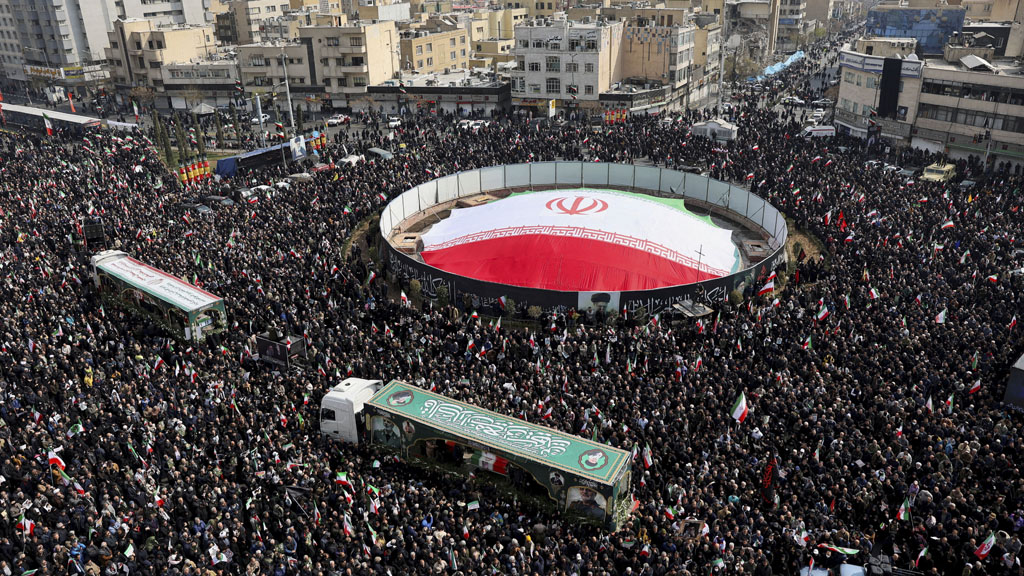
Some analysts see desalination as a strength, but also a major weakness for the region.
“The economy of these countries, and even the short-term survival of their people, is heavily dependent on the safety of these desalination plants,” said Nader Habibi, professor of Middle East economics at Brandeis University.
When the target and weapon of war is water
Attacks on essential civilian infrastructure are contrary to international law.
David Michel, a senior researcher on 'water security' at the Center for Strategic and International Studies (CSIS), said a planned attack on desalination plants would be a provocation and escalation of tensions.
There are examples of such incidents in history. During the 1991 Gulf War, Iraq deliberately released billions of barrels of oil into the Persian Gulf.
Water used by desalination plants in the Gulf was contaminated by the oil. Then Kuwait had to take the help of other countries including Türkiye and Saudi Arabia. As part of this assistance, hundreds of water tankers and trucks delivered bottled water.
Michel said the past decade has seen many examples of violations of international law by targeting water infrastructure.
During the war in Ukraine, Russia launched hundreds of attacks on the country's water infrastructure. Similarly, Israel has destroyed water and sewage facilities in Gaza.
“Unfortunately, this has become a trend,” said Marwa Daudi, an associate professor of international relations at Georgetown University. “Water has now been added to the long list of war targets and weapons.”
Iran has yet to target desalination facilities in the Gulf. However, analysts fear that Iran may follow that path if there is a trend of counterattacks on various infrastructures.
“The Iranian regime has shown that it will not hesitate to increase instability for the sake of survival, especially if US and Israeli forces hit its critical infrastructure,” said Nader Habibi.
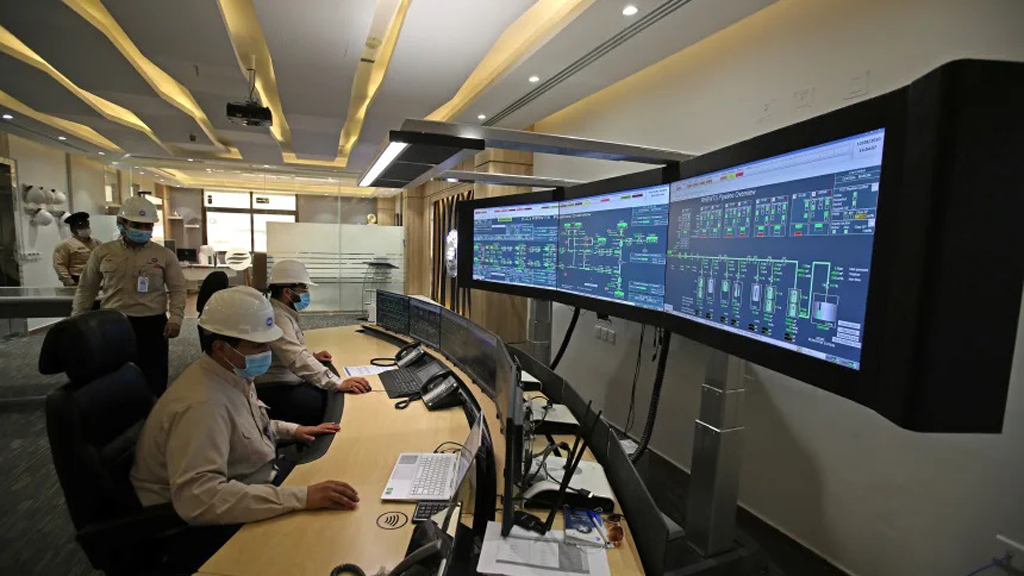
There is a risk of indirect injury
Apart from direct attacks, desalination plants are also vulnerable to indirect attacks. Because most of these installations are located next to power plants or other important infrastructure. As a result, if these installations are attacked, the desalination plants will also be damaged.
At the beginning of this month, the news of the damage to the 'Fujairah F1 Desalination Plant' in the United Arab Emirates and the 'Doha Waste Plant' in Kuwait came to light.
It is believed that these damages were caused by the indirect effect of the attack on the surrounding infrastructure.
There are also fears of major cyber attacks on decentralization centers.
In 2023, the United States claimed that Iran had carried out cyber attacks on water infrastructure in several of its states.
A message appeared after the attack, according to the US government, which read: 'You have been hacked, down to Israel'.
A temporary shutdown of the desalination plant does not mean immediate disaster.
The Gulf countries have water reserves and sufficient financial capacity to deal with emergencies.
However, attacks on large water plants in cities such as Riyadh, Abu Dhabi and Dubai could have serious consequences.
“If these plants go out of business, it could become an existential crisis,” said Jayne Swanson, deputy director of CSIS's Global Food and Water Security Program.
As the reason, he said, the desalination plant is a sophisticated and complex facility. If they are damaged it can take months to restart.
Nader Habibi of Brandeis University said that some countries have little alternative capacity to deal with the crisis in the long term. In this case, Bahrain and Kuwait are more at risk. Because these countries are geographically small, have limited resources and almost 100 percent of their drinking water comes from desalination.
Lauren Lamber says the impact can come in many ways. Swimming pool and water park restrictions may apply. Water-dependent economic activities, including certain agricultural activities, may be temporarily closed. People may even be called to reduce water consumption in these countries.
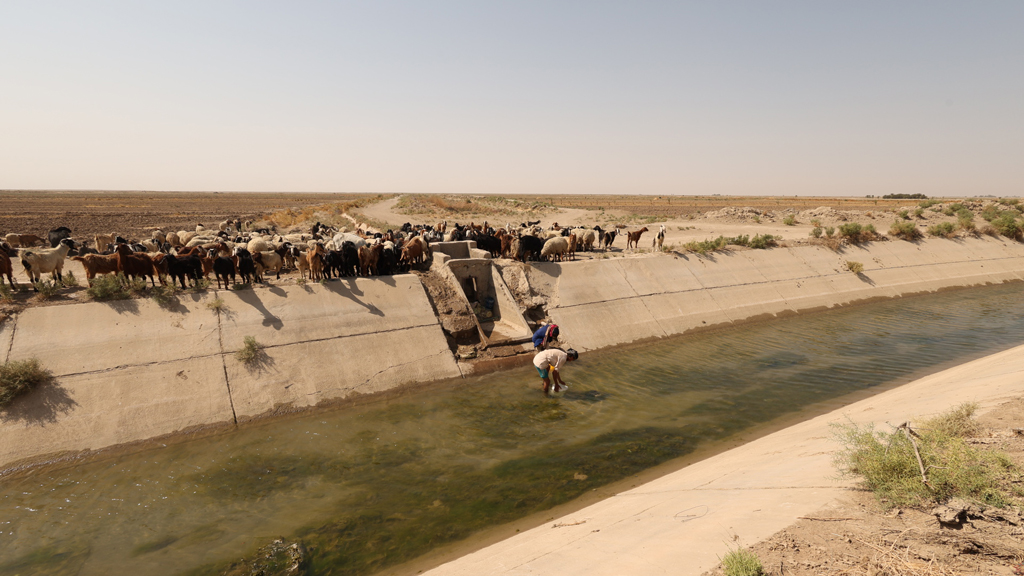
Much like nuclear weapons
The issue of the risk of drinking water in the Gulf countries has come to the fore before.
In 2010, the CIA concluded a report stating that disruption to the desalination process in the Gulf region would cause more harm than any other industry or commodity.
Low thinks the ongoing war may be a major cause for concern, but future climate change will also bring this concern back to the fore.
He said climate change is causing more frequent and severe storms, which could damage desalination plants. Besides, producing water using fossil fuels is also fueling the climate crisis.
According to Lore, “Desalination is a 20th-century triumph, which raises big questions about climate change in the 21st century.”
Gulf countries are now heading into the hottest time of the year.
“The longer the conflict goes on, the greater the risk to these infrastructures, the greater the pressure on water resources,” Swanson said.
Sophia thought of hoarding water, but her husband discouraged it.
Like many residents of the Gulf region, they believe their government has the capacity to deal with a crisis.
What Iran will decide is still uncertain. But analysts say that if the desalination plant is finally attacked, it will amount to crossing a clear 'red line'.
According to Lowe, taking such a step would be tantamount to reaching for the use of nuclear weapons.
“It would be an unusual tactic. The political and emotional toll would be hard to imagine.”
Bangladesh /NM
(function(i,s,o,g,r,a,m){i[‘GoogleAnalyticsObject’]=r;i[r]=i[r]||function(){ (i[r].q=i[r].q||[]).push(arguments)},i[r].l=1*new Date(); a=s.createElement(o), m=s.getElementsByTagName(o)[0];a.async=1;a.src=g;m.parentNode.insertBefore(a,m) })(window,document,'script','https://www.google-analytics.com/analytics.js','ga'); ga('create', 'UA-103843996-1', 'auto'); ga('send', 'pageview');
(function(i,s,o,g,r,a,m){i[‘GoogleAnalyticsObject’]=r;i[r]=i[r]||function(){ (i[r].q=i[r].q||[]).push(arguments)},i[r].l=1*new Date(); a=s.createElement(o), m=s.getElementsByTagName(o)[0];a.async=1;a.src=g;m.parentNode.insertBefore(a,m) })(window,document,'script','https://www.google-analytics.com/analytics.js','ga'); ga('create', 'UA-115090629-1', 'auto'); ga('send', 'pageview');
_atrk_opts = { atrk_acct:'lHnTq1NErb205V', domain:'bd-journal.com',dynamic: true}; (function() { var as = document.createElement('script'); as.type=”text/javascript”; as.async = true; as.src=”https://certify-js.alexametrics.com/atrk.js”; var s = document.getElementsByTagName('script')[0];s.parentNode.insertBefore(as, s); })();


👇Follow more 👇
👉 bdphone.com
👉 ultractivation.com
👉 trainingreferral.com
👉 shaplafood.com
👉 bangladeshi.help
👉 www.forexdhaka.com
👉 uncommunication.com
👉 ultra-sim.com
👉 forexdhaka.com
👉 ultrafxfund.com
👉 bdphoneonline.com
👉 dailyadvice.us