


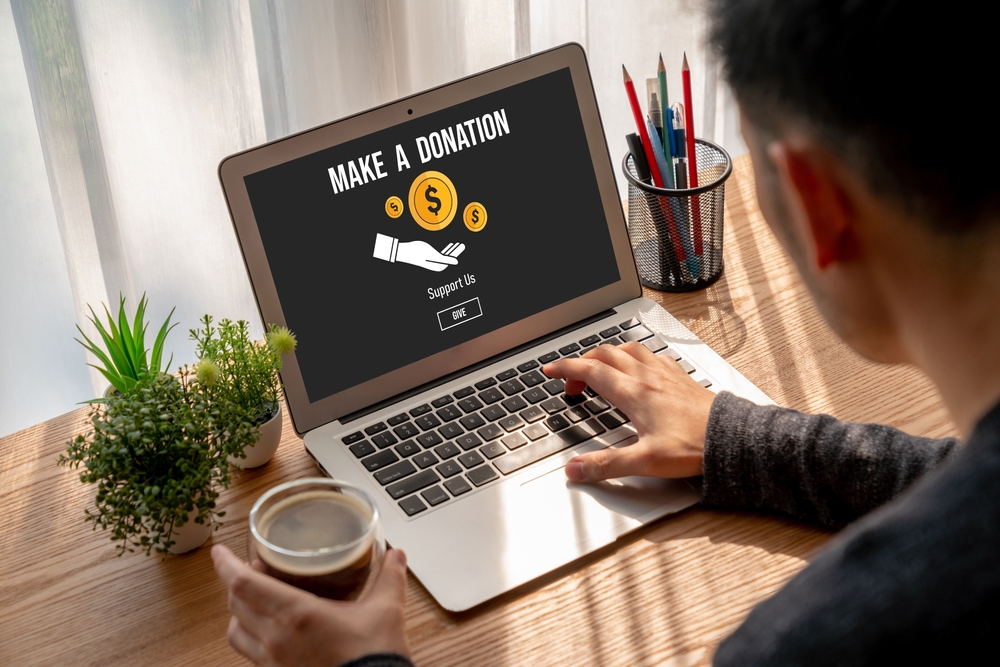
This month, 23 state Attorneys General and Secretaries of State sent a letter to GoFundMe expressing grave concerns about the platform’s creation of donation webpages for more than 1.4 million nonprofits without their prior knowledge or consent. Last week, Alaska Attorney General Stephen Cox announced lawsuits against six crowdfunding platforms over similar conduct. These developments matter because the issue is not limited to one company or one platform. At bottom, it is about whether nonprofits get to control fundraising done in their name.
Nonprofits should be able to decide how and when their names are used in fundraising. That principle may seem obvious, but recent events show how easily it can be overlooked when fundraising platforms create unauthorized donation pages based on public information without first getting the nonprofit’s permission.
When that happens, a number of problems can follow. Donors may believe the nonprofit approved the donation page when it did not. The nonprofit may have no control over the content of the page. The nonprofit may not know donations are being solicited in its name. And the nonprofit may be left to deal with donor confusion and regulatory questions about a fundraising effort it never authorized.
Why Consent Matters
Consent is not just a courtesy in charitable fundraising. It goes directly to donor trust, transparency, and accountability. If a platform creates a donation page without a nonprofit’s knowledge or approval, there is no clear assurance that the nonprofit agreed with the way it was described, understood how donations would be processed, or accepted the legal and practical consequences of the arrangement.
That should concern both charities and donors. Charitable giving depends on public trust, and that trust is weakened when fundraising happens in a nonprofit’s name without the nonprofit’s consent. Whatever efficiencies a platform may see in creating pages at scale, those efficiencies do not eliminate the need for authorization from the organization whose name and mission are being used.
The Compliance Problems Are Real
This is not only a matter of donor confusion or reputational harm. We have seen the fallout in practice. Clients that are trying to withdraw their charitable solicitation registrations from states, for a variety of legitimate reasons, have been confronted by state regulators with these pages as evidence of continued fundraising.
That creates a serious problem. A nonprofit may have decided to stop soliciting in a state. It may be narrowing its activities, winding down operations, restructuring, or simply trying to come into better compliance. But if an unauthorized donation page remains live on a third-party platform, regulators may point to that page and ask why the organization is still appearing to solicit donations there. In other words, nonprofits can face compliance consequences based on fundraising activity they did not approve and may not even know is happening.
This is one reason the issue deserves more attention from regulators and the sector. If a nonprofit is being treated as if it authorized fundraising that it never approved, the consequences can be more than theoretical. They can affect registration status, compliance planning, and the organization’s ability to withdraw cleanly from a state.
This Is Also a Fundraising Regulation Issue
Most nonprofits understand that charitable solicitation is regulated. Many states require registration before soliciting contributions from residents of the state. Some states also regulate the activities of professional fundraisers and other third parties involved in charitable fundraising. When another party creates a page to raise money in a charity’s name, a number of basic legal and operational questions follow:
- Who authorized it?
- Who controls it?
- Where do the funds go first?
- What disclosures are being made?
- What happens if the nonprofit wants the fundraising to stop?
If the nonprofit never consented in the first place, those questions become much harder to answer. That is part of what makes this issue different from an ordinary partnership or platform relationship. The problem is not simply that the arrangement may be imperfect. The problem is that the nonprofit may never have agreed to the arrangement at all.
The Sector’s Concern Is Not New
The nonprofit sector has been raising concerns about this issue for months. In 2025, nonprofit leaders and sector organizations objected to the creation of nonprofit pages without consent and urged correction. GoFundMe later apologized and took steps to remove unauthorized donation pages. But the recent multistate letter and the Alaska lawsuits suggest that regulators and nonprofit leaders do not view the matter as fully resolved.
That is understandable. Once a fundraising platform has used a nonprofit’s name without consent, the effects are not always easy to undo. Donor confusion may continue. Unauthorized donation pages may continue to surface in regulatory conversations. And trust, once damaged, can be difficult to rebuild. Those are not minor concerns. They go to the basic relationship between charities, donors, platforms, and regulators.
The Bottom Line
Nonprofits must retain the power to decide how and when to engage with fundraising partners. That decision should not be made by a platform acting on its own. Nonprofits are the ones responsible for their missions, their donor relationships, their compliance obligations, and their public trust. Their consent should not be optional.
As some of our clients have experienced, the consequences of unauthorized donation pages are not theoretical. They can create real compliance problems when nonprofits are trying to withdraw from state registration regimes and stop fundraising in a state. That alone should be enough to make clear why this issue deserves close attention from nonprofit leaders, regulators, and fundraising platforms alike.
Ellis Carter is a nonprofit lawyer with Caritas Law Group, P.C. licensed to practice in Washington and Arizona. Ellis advises nonprofit and socially responsible businesses on federal tax and fundraising regulations nationwide. Ellis also advises donors concerning major gifts. To schedule a consultation with Ellis, call 602-456-0071 or email us through our contact form.
👇Follow more 👇
👉 bdphone.com
👉 ultractivation.com
👉 trainingreferral.com
👉 shaplafood.com
👉 bangladeshi.help
👉 www.forexdhaka.com
👉 uncommunication.com
👉 ultra-sim.com
👉 forexdhaka.com
👉 ultrafxfund.com
👉 bdphoneonline.com
👉 dailyadvice.us