 By
By

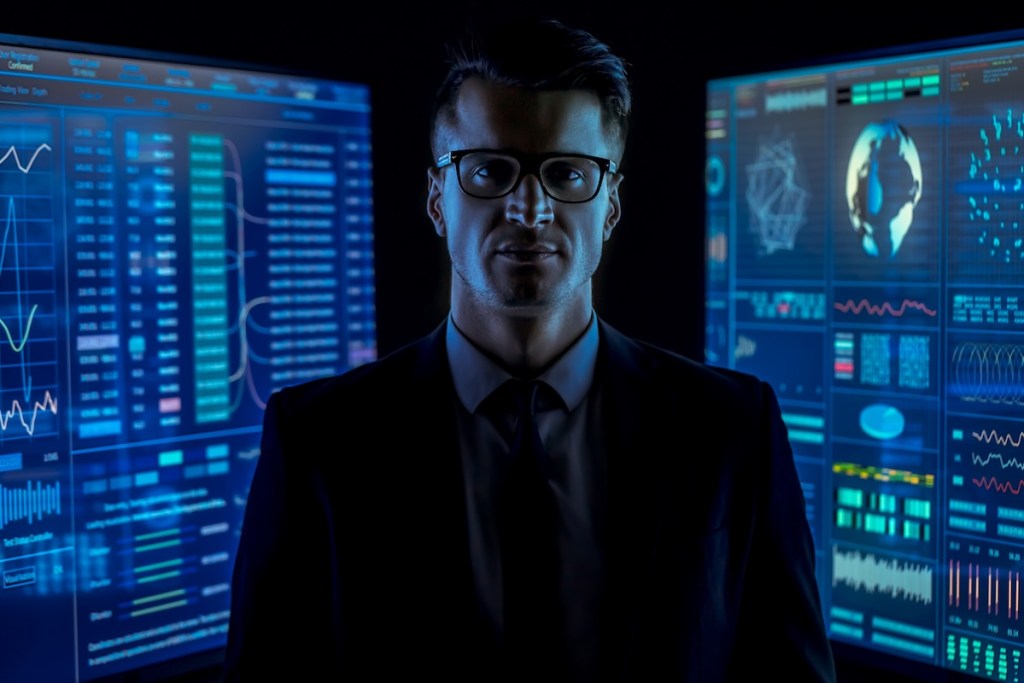
A finance director at a multinational firm in Singapore thought he was on a routine video call with senior leadership. The CFO and several executives appeared on screen, discussing a confidential acquisition. The request was urgent: authorize a $499,000 transfer. He approved it.
In another case, an employee of the UK engineering firm Arup transferred millions of dollars following a video call with senior management.
In both cases, none of the participants were real. They were deepfakes.
“In the Arup case, it is believed that malware was installed in their system for about five years. This sleeper cell absorbed conversations, which helped them mimic that actual call,” said Mack Jackson, Jr., a cybersecurity expert, author, and keynote speaker, and CEO of Vanderson Cyber Group. “When the CFO made that wire transfer, he was the only human on that call.”
In each interaction — faces, voices, even mannerisms — had been generated using AI. They were highly sophisticated deepfake scams, and they worked.
While these incidents occurred outside the events industry, the vulnerability they expose is directly relevant. Event professionals routinely manage large budgets, vendor payments, international wire transfers, and sensitive communications, often under tight timelines.
Those same dynamics are now being exploited.
A New Kind of Social Engineering
Cybercrime in the events sector has traditionally taken familiar forms: phishing emails, fake invoices, or vendor impersonation. But AI is accelerating both the scale and sophistication of attacks.
“This isn’t just hacking, it’s social engineering at a completely new level,” said Jackson. “They don’t need to break in if they can convince you to let them in.”
For some in the industry, the threat is already personal.
Thomas Mauch, international senior sales manager at Bella Center Copenhagen, has seen firsthand how sophisticated scams can become. His mother was targeted in a long-running romance scam that used real images, voice manipulation, and psychological tactics to build credibility over time. The result was devastating: the loss of her life savings.
“It’s not just about fake emails anymore,” he said. “They’re using real people’s images, voices, and videos to create entirely believable identities. In a world where even video can be manipulated, face-to-face becomes one of the few environments where trust is still grounded in reality.”
Why Event Professionals Are Exposed
The structure of the events industry makes it particularly vulnerable.
High-value transactions often occur quickly, and last-minute changes are the norm, not the exception, creating opportunities for deception.
Basic safeguards still matter. Any request involving significant funds, especially those tied to new accounts or last-minute changes, should be confirmed outside the original communication channel. A direct phone call or secure messaging platform can prevent costly mistakes.
Internal controls are critical. No single individual should be able to authorize large transfers.
Dual approvals and clear documentation create friction that protects against fraud.
Emerging detection tools can analyze video and audio for signs of AI-manipulation. While not foolproof, they add an additional layer of scrutiny.
👇Follow more 👇
👉 bdphone.com
👉 ultractivation.com
👉 trainingreferral.com
👉 shaplafood.com
👉 bangladeshi.help
👉 www.forexdhaka.com
👉 uncommunication.com
👉 ultra-sim.com
👉 forexdhaka.com
👉 ultrafxfund.com
👉 bdphoneonline.com
👉 dailyadvice.us