
 By
By
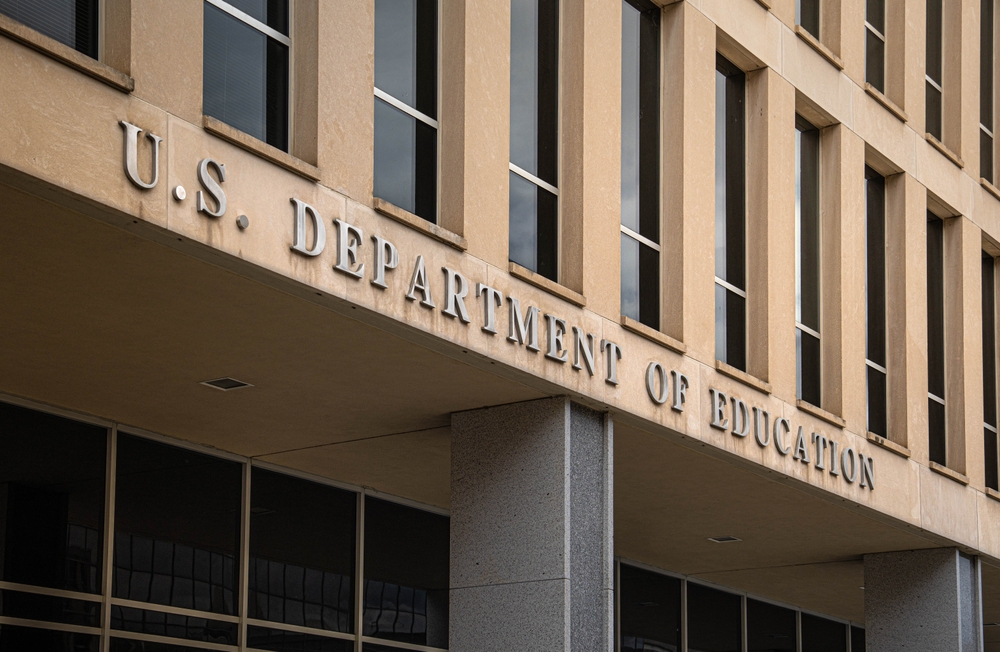
In December 2025, the U.S. Department of Education formally recognized Grand Canyon University as a nonprofit institution of higher education. The decision ended a long-running dispute between the university and the Department over whether GCU qualified as nonprofit for purposes of federal student aid programs.
For nonprofit lawyers and sector leaders, Grand Canyon University’s Department of Education nonprofit ruling offers a useful reminder of a recurring issue, nonprofit status is not determined by a single regulator. Different agencies apply different statutory frameworks, and disagreement among them can persist for years.
Why the Department of Education’s Determination Matters
The Department of Education’s nonprofit classification carries practical consequences that extend beyond symbolism. For institutions of higher education, ED recognition affects eligibility for certain federal funds and programs, access to scholarships and grants limited to nonprofit entities, regulatory treatment under Title IV of the Higher Education Act, and relationships with donors and institutional partners that rely on federal classifications.
GCU’s experience illustrates how uncertainty at the federal level can complicate operations even when other authorities recognize an organization as nonprofit.
Background: Divergent Agency Views of the Same Organization
Grand Canyon University was founded in 1949 as a nonprofit institution. After financial distress, it converted to for-profit status in 2004. In 2018, the university restructured again, this time to operate as a nonprofit under state law and the Internal Revenue Code.
The IRS recognized GCU as a 501(c)(3) organization, and state regulators, accrediting bodies, and the NCAA treated it as nonprofit. The Department of Education, however, declined to do so, focusing on GCU’s contractual and financial relationship with a publicly traded services company, Grand Canyon Education, Inc.
In 2019, ED concluded that the relationship raised concerns about whether the university was truly operated as a nonprofit for purposes of federal student aid. That determination stood even as other regulators reached the opposite conclusion.
The dispute eventually reached the courts. In 2024, the Ninth Circuit Court of Appeals ruled that the Department of Education had applied the wrong legal standard in denying nonprofit recognition and directed the agency to reconsider its decision. After further review, including completion of a lengthy IRS audit, ED reversed course and granted nonprofit recognition in late 2025.
Key Legal Lessons for Nonprofit Organizations
IRS Recognition Does Not Control Other Federal Agencies
One of the clearest takeaways is that IRS tax-exempt status does not automatically bind other federal agencies. While 501(c)(3) recognition is often treated as the gold standard for nonprofit status, agencies like the Department of Education operate under separate statutes and may apply additional criteria.
Organizations that assume IRS recognition alone resolves all classification questions may be surprised to find themselves subject to further scrutiny.
Governance and Control Remain Central
The Department of Education’s earlier resistance focused heavily on governance, control, and financial relationships. Even where a nonprofit is legally separate from a for-profit affiliate or contractor, regulators may examine whether those relationships undermine nonprofit independence.
This issue is not limited to higher education. Many nonprofits rely on management companies, shared services arrangements, or complex related-party transactions. GCU’s experience underscores the importance of documenting decision-making authority, arm’s-length contracting, and board independence.
Legal Standards Matter, and They Can Be Challenged
The Ninth Circuit’s decision highlights another important point, agency determinations are not immune from judicial review. Where an agency applies the wrong legal standard or exceeds its statutory authority, courts can and do intervene.
For nonprofits facing adverse classifications or enforcement actions, litigation and administrative appeals may be viable options, particularly when the consequences of an agency’s position are significant.
Expect Multi-Agency Scrutiny
Large or complex nonprofits often interact with multiple regulators, each with its own mandate. GCU’s status was reviewed not only by the IRS and the Department of Education, but also by accreditors, state agencies, and other federal authorities in related contexts.
Nonprofits operating in regulated spaces should anticipate that compliance decisions made for one regulator may be revisited by another, sometimes years later.
Practical Takeaways for Boards and Counsel
Nonprofit boards and their advisors should view the GCU ruling as a reminder to take classification issues seriously and proactively. Clear governance structures, well-documented related-party relationships, and consistent alignment between mission and operations can reduce regulatory risk.
Just as importantly, organizations should understand that nonprofit status is not a single, uniform concept. It is a legal conclusion reached under different statutes by different decision-makers. When disagreements arise, persistence, careful legal strategy, and a willingness to challenge agency action may be necessary.
👇Follow more 👇
👉 bdphone.com
👉 ultractivation.com
👉 trainingreferral.com
👉 shaplafood.com
👉 bangladeshi.help
👉 www.forexdhaka.com
👉 uncommunication.com
👉 ultra-sim.com
👉 forexdhaka.com
👉 ultrafxfund.com
👉 bdphoneonline.com
👉 dailyadvice.us